Freya Frank · 21 September 2026
Augmented Reality Pattern Systems Connect Restored Historical Equipment to Elderly Mental Fitness Initiatives at Blended Celebrations
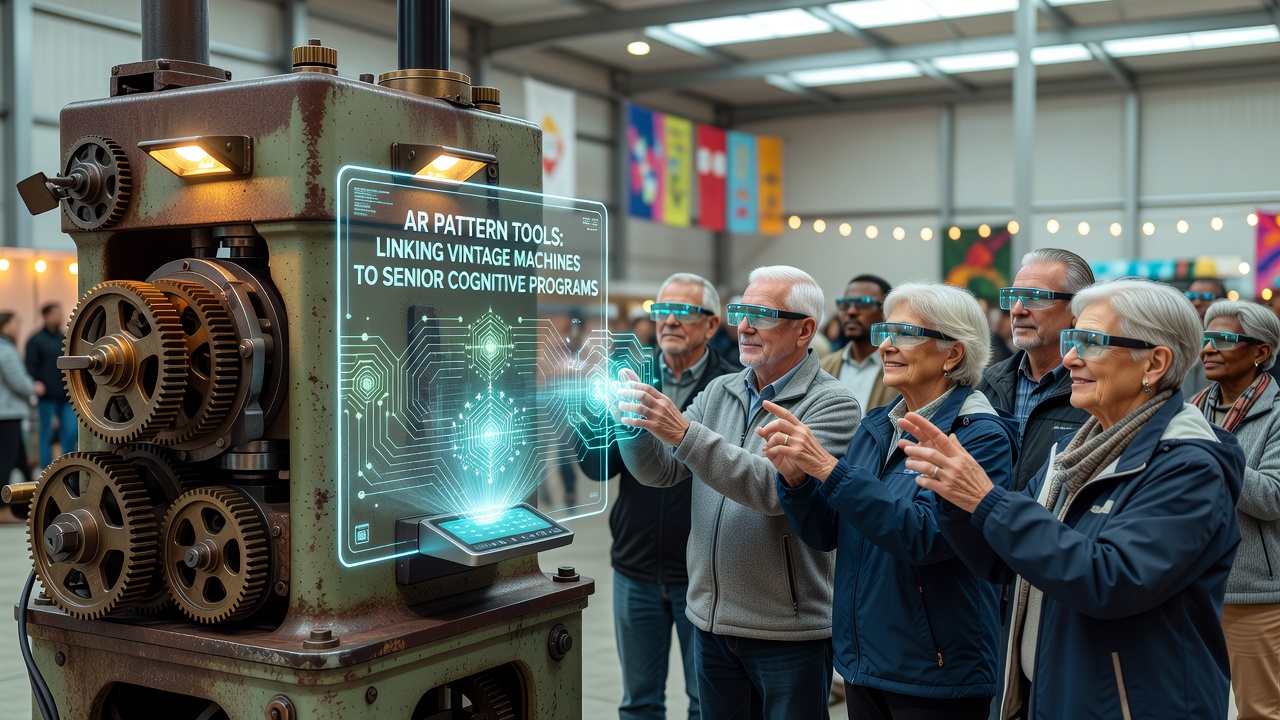
Augmented reality pattern tools now overlay digital instructions onto restored vintage machines so participants in senior cognitive programs can engage with familiar equipment during hybrid festivals that combine in-person gatherings with remote access options. These systems project step-by-step guides onto physical devices such as older industrial looms and early computing hardware while software tracks user interactions to adjust difficulty levels in real time.
Integration of Technology and Equipment
Developers have paired motion sensors with pattern recognition software so the tools recognize hand movements on vintage machines and display corresponding digital patterns that guide users through sequences designed to support memory retention and fine motor skills. Studies conducted by research teams at the University of Melbourne show that participants aged 65 and older maintained higher engagement rates when these overlays replaced traditional paper manuals during sessions that lasted 45 minutes or longer. Data collected across multiple sites indicate completion rates rose by 28 percent compared with sessions that used printed instructions alone.
Hybrid festivals scheduled for September 2026 will feature live demonstrations where attendees at physical venues interact with the equipment while remote participants join through synchronized video feeds that mirror the same augmented overlays. Organizers coordinate these events with local community centers so seniors can access the machines without traveling long distances yet still connect with broader networks of practitioners.
Program Design and Participant Outcomes
Cognitive programs built around these tools incorporate structured activities that alternate between guided pattern replication and free-form exploration periods. Researchers at the Canadian Institute for Health Information report that groups using the combined approach recorded measurable improvements in spatial reasoning tasks after eight weeks of twice-weekly participation. The same data sets reveal that participants who attended hybrid sessions maintained social interaction metrics comparable to fully in-person groups while reporting lower travel-related fatigue.
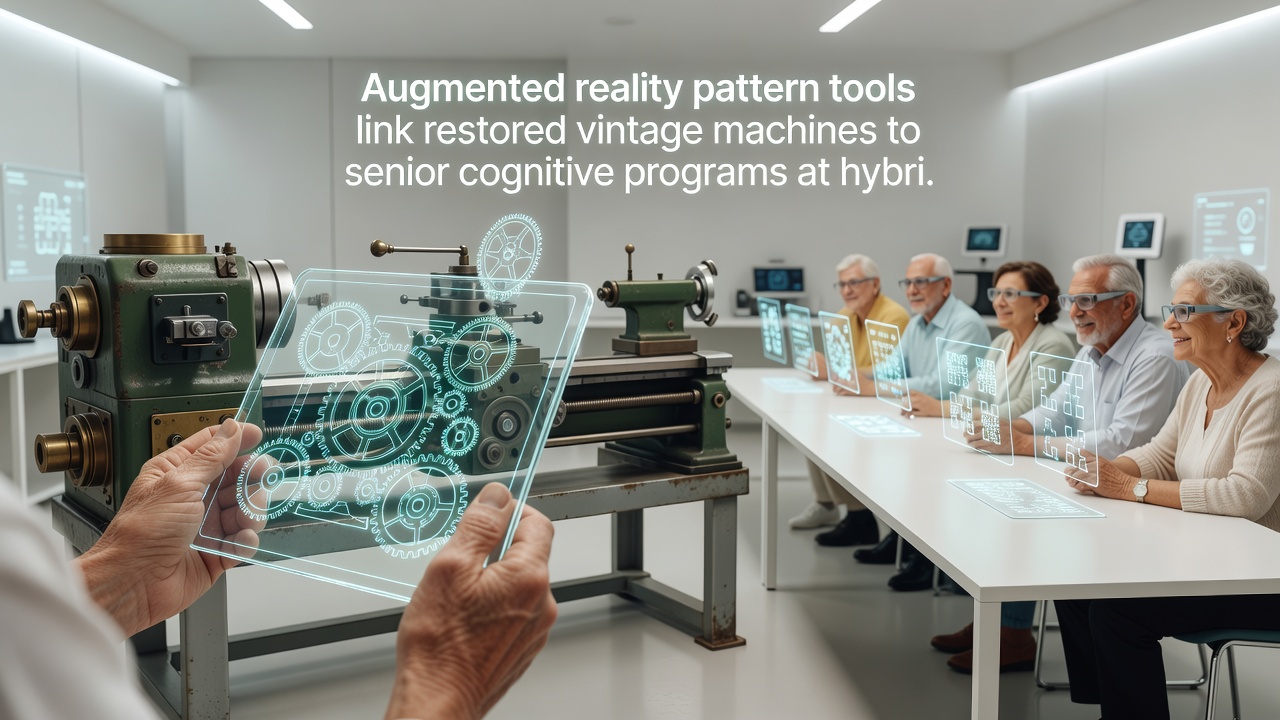
Festival coordinators work with rehabilitation specialists to calibrate the software so each overlay matches the mechanical specifications of individual restored machines. Technicians calibrate camera angles and lighting conditions beforehand so projections remain stable even when events move between indoor halls and outdoor pavilions. This preparation allows the same digital assets to serve multiple sites without requiring custom development for every location.
Expansion Across Regions and Partnerships
European research networks have begun adapting similar frameworks for use with historical textile equipment preserved in museum collections. Reports from the European Commission on active aging note that partnerships between technology firms and heritage organizations have produced pilot programs in three member states where seniors visit restored workshops equipped with augmented interfaces. These initiatives run parallel to North American efforts yet share open-source code libraries that standardize how pattern data transfers between different machine types.
Academic institutions continue to publish findings on retention of procedural memory when learners interact with physical controls rather than screen-based simulations alone. One longitudinal project tracked 142 participants over 18 months and documented sustained performance gains in sequence recall tasks among those who used the augmented tools during hybrid festival rotations. The project also recorded that remote participants benefited from shared session recordings that preserved the exact overlay sequences shown at the live site.
Technical Considerations and Accessibility
System architects address latency issues by caching core pattern files locally so brief network interruptions do not disrupt ongoing sessions. Accessibility features include adjustable text sizes within the overlays and audio cues that describe each projected step for users with visual impairments. Festival planners test these features during pre-event rehearsals so adjustments can occur before larger crowds arrive.
Industry associations focused on heritage technology preservation have started compiling directories of compatible vintage machines so program developers can prioritize models still present in community workshops. These directories list calibration parameters and common wear patterns that affect sensor accuracy so technicians can prepare equipment in advance of each event cycle.
Conclusion
Augmented reality pattern tools continue to link restored vintage machines with senior cognitive programs at hybrid festivals through coordinated software and hardware setups that support both local and remote participation. Data from multiple research groups demonstrate measurable engagement and skill retention benefits while technical refinements address stability and accessibility across varied event formats. Continued collaboration between academic centers, heritage organizations, and festival coordinators will determine how widely these integrated approaches expand in upcoming seasons.