Sofia Schmid · 5 October 2026
Blockchain Platforms Link Regenerative Wool Cooperatives to Urban Fiber Networks
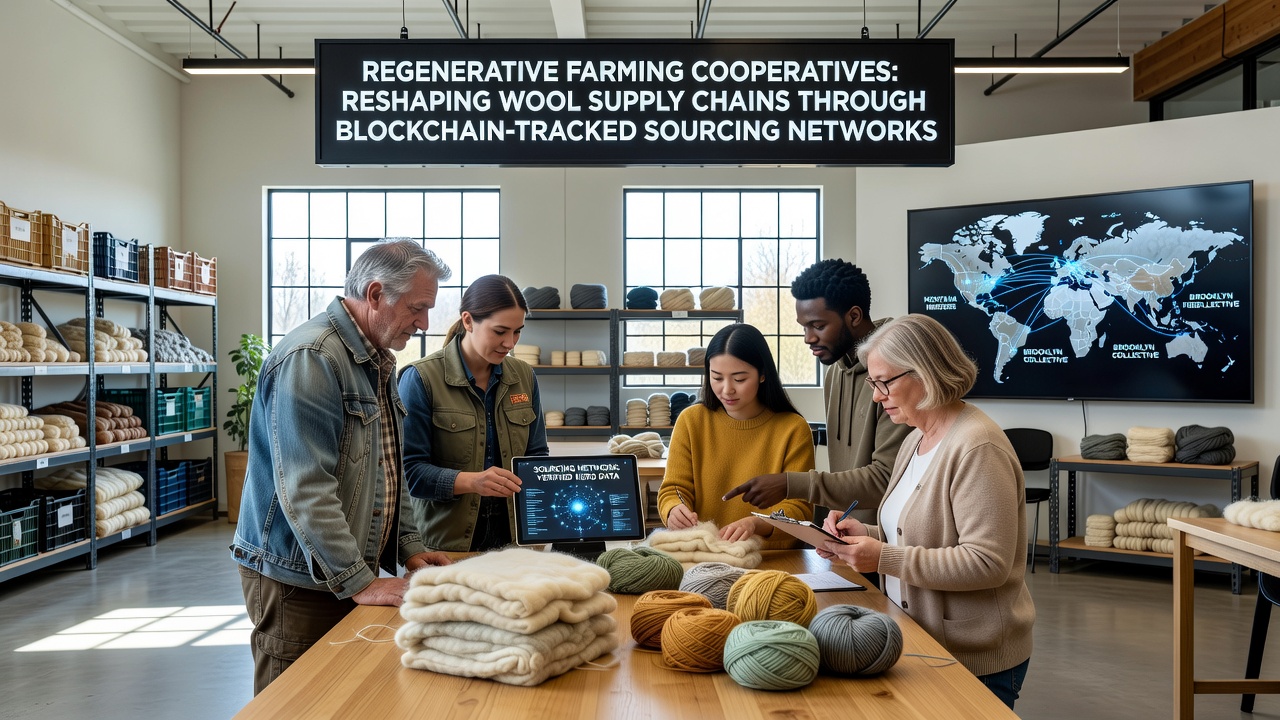
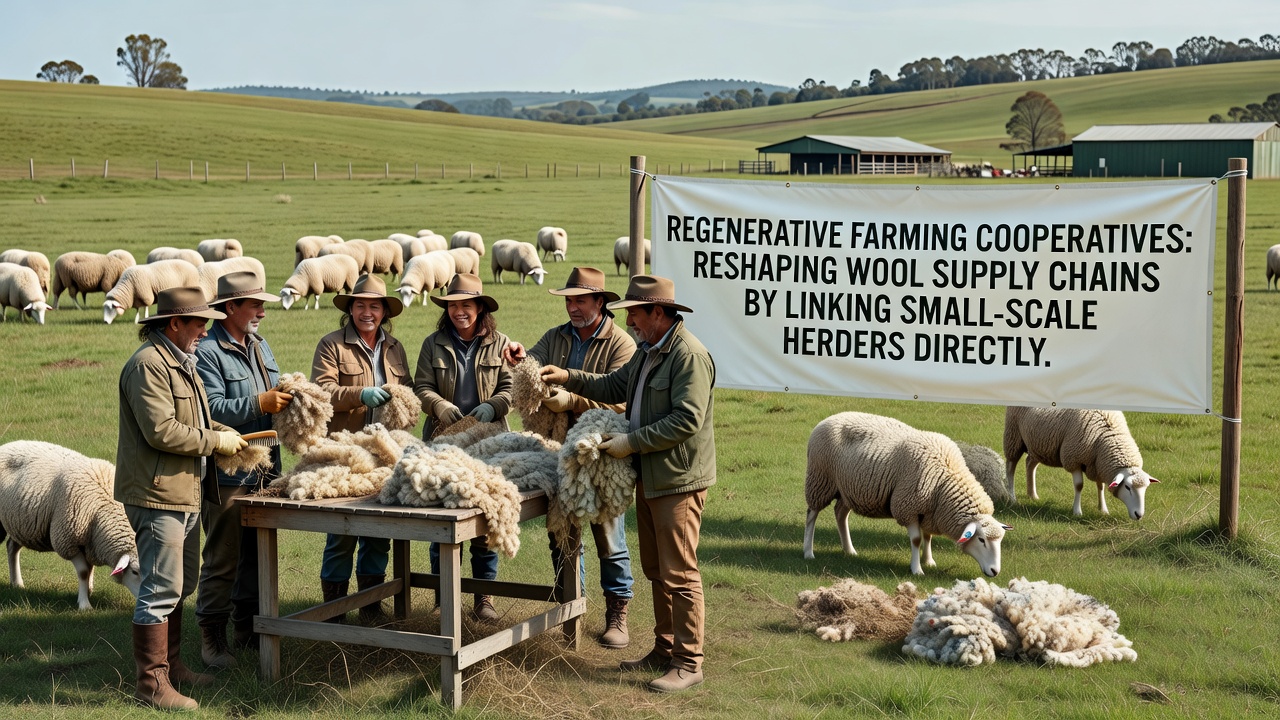
Regenerative farming cooperatives have expanded their role in wool supply chains by connecting small-scale herders directly to urban fiber collectives through blockchain-tracked sourcing networks, and data from agricultural reports in October 2026 shows increased adoption across multiple regions. These networks record every step from pasture management to final distribution, while cooperatives handle logistics that once required larger intermediaries. Researchers at institutions in Australia and the United States have documented how such systems reduce transaction layers and improve traceability for fiber buyers who prioritize verified regenerative practices.
Core Mechanisms of the Supply Chain Model
Small-scale herders join cooperatives that implement rotational grazing, soil health monitoring, and biodiversity measures on their land, and blockchain entries capture metrics such as pasture recovery times and carbon sequestration levels at each site. Urban fiber collectives then access this data through secure platforms that verify origin and practices before purchasing, which allows direct negotiations without traditional auction houses or export brokers. Figures from the Australian Department of Agriculture, Water and the Environment indicate that participating operations recorded a 22 percent rise in direct sales volume during the first three quarters of 2026 compared with prior periods that relied on conventional channels.
Cooperatives also coordinate shearing schedules and quality grading so that wool lots meet the specifications of collectives focused on local spinning and knitting production, and smart contracts on the blockchain release payments automatically once delivery and quality checks are confirmed. This setup cuts payment delays that previously averaged 60 to 90 days in export-heavy routes. Observers note that the model supports herders who manage flocks under 500 animals, a scale that often struggled to meet volume requirements of large processors.
Geographic Spread and Adoption Patterns
Networks operating in the western United States have paired Montana and Wyoming herders with fiber groups in Portland and Seattle, while similar arrangements in New South Wales connect remote stations to collectives in Melbourne and Sydney. European pilots in Spain and Portugal have tested comparable platforms that integrate with regional wool standards, and reports from the European Commission’s agricultural directorate show pilot volumes growing steadily through late 2026. Each region adapts the blockchain protocol to local regulations on data privacy and animal welfare certification, yet the core ledger remains interoperable across borders.
One cooperative in central Oregon began its blockchain integration in early 2025 and expanded membership to 47 herders by October 2026, routing wool to three urban collectives that process the fiber into yarn for regional makerspaces. A comparable group in Victoria, Australia, reported that blockchain verification allowed members to command premiums averaging 18 percent above standard commodity prices for the same micron count. These premiums reflect documented regenerative outcomes rather than marketing claims alone.
Technology and Verification Layers
Blockchain entries include GPS-tagged pasture photos, soil test results, and veterinary records uploaded at regular intervals, and third-party auditors cross-check a random sample of entries each quarter to maintain system integrity. Urban collectives query the ledger through dashboards that flag any discrepancies in flock size or grazing history before accepting shipments. This verification process replaces reliance on paper certificates that previously traveled with each bale through multiple handlers. Industry analyses from the International Wool Textile Organisation highlight that digital records reduce administrative errors by an estimated 35 percent across participating supply chains.
Hardware such as RFID ear tags and mobile scanning devices feed real-time data into the network, and herders receive training from cooperative staff on consistent upload protocols. When discrepancies arise, the system flags them for human review rather than automatic rejection, which preserves flexibility for seasonal weather events that affect pasture conditions. Cooperatives in both North America and Oceania have formed working groups to standardize data fields so that wool moving between continents retains full traceability.
Economic and Operational Outcomes
Direct linkages have shifted revenue distribution toward producers, and preliminary tallies from October 2026 indicate that herder net returns per kilogram increased between 12 and 27 percent depending on region and flock size. Urban collectives report steadier inventory planning because blockchain dashboards display projected harvest volumes weeks in advance, reducing last-minute sourcing scrambles. Processing facilities tied to these collectives have adjusted equipment schedules to handle smaller, more frequent lots that arrive with complete digital provenance attached.
Logistics partners now integrate with the same platforms to record transport conditions such as temperature and humidity during transit, and any deviation triggers alerts that allow collectives to adjust storage plans upon arrival. This level of monitoring supports finer-grade wools that collectives reserve for specialty yarns rather than bulk commodity streams. Government statistics from Canada’s agriculture ministry show parallel programs in British Columbia achieving comparable inventory accuracy gains during the same period.
Future Integration Points
Additional data layers under discussion include integration with satellite imagery for pasture monitoring and automated carbon accounting modules that could feed into emerging environmental credit markets. Cooperatives continue to refine membership criteria to ensure that new entrants maintain regenerative benchmarks already verified on the ledger. Urban fiber collectives explore ways to share aggregated supply data with academic researchers studying regional biodiversity trends tied to grazing management.
Conclusion
Regenerative farming cooperatives using blockchain-tracked networks have established direct pathways that connect small-scale herders to urban fiber collectives, and records from October 2026 confirm measurable shifts in sales patterns, payment speed, and traceability across participating regions. Continued expansion depends on consistent data standards and cooperative governance structures that accommodate varying flock sizes and regulatory environments.