Sofia Schmid · 19 October 2026
Museum Collaborations Restore Obscure Methods via Analytics-Guided Social Campaigns Linked to Aging Brain Studies
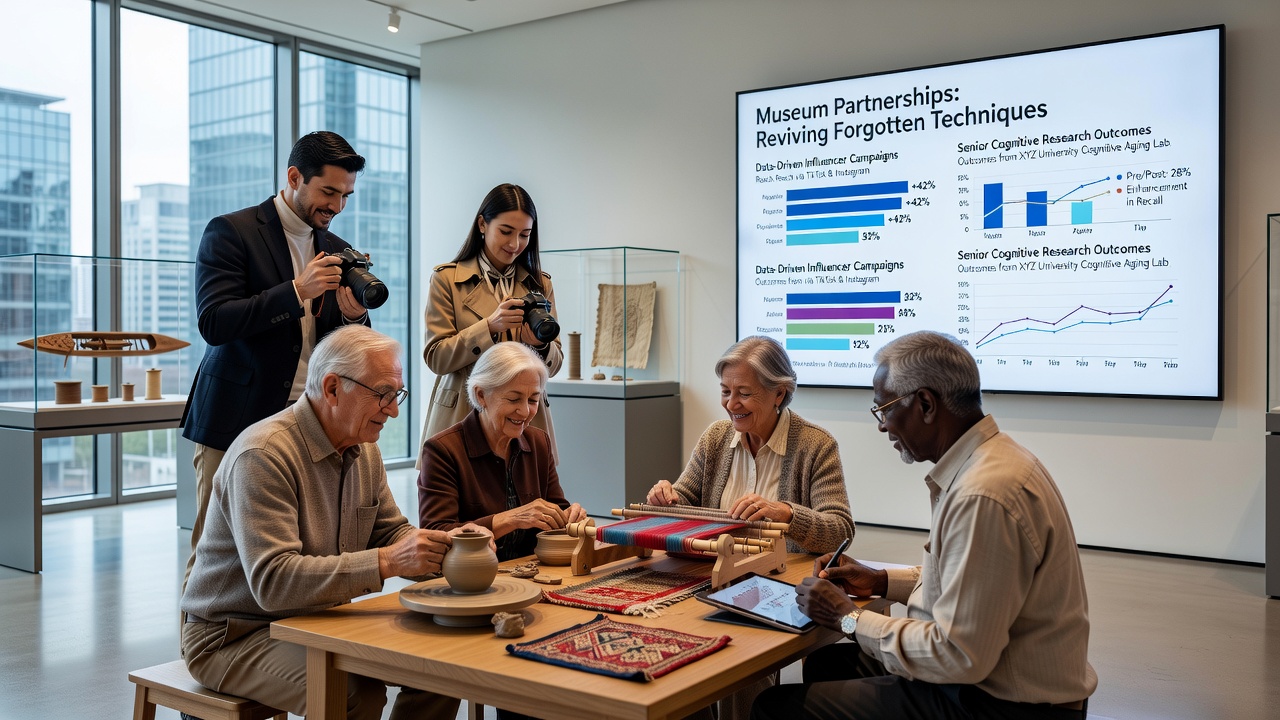
Museums across multiple regions have formed partnerships that focus on reviving techniques once considered lost, and these efforts connect directly to influencer strategies shaped by large datasets while tying outcomes to research on cognitive function in older adults; campaigns launched in recent years demonstrate measurable engagement through platforms that track reach and interaction metrics. Data from cultural heritage projects shows that institutions in North America and Europe have documented increases in public participation when campaigns incorporate findings from longitudinal studies on memory retention and motor skill preservation. Researchers at institutions such as the National Institutes of Health have published results indicating that engagement with traditional handcraft methods correlates with improved executive function scores in participants over age 65, and museum teams have applied these patterns to select which forgotten processes receive renewed attention.Partnership Models and Technique Selection
Observers note that collaborations often begin with joint inventories of archival collections, where curators identify processes like specific loom setups or pigment mixing sequences that fell out of common use by the mid-20th century. These inventories feed into algorithms that cross-reference popularity indicators from social media analytics, allowing teams to prioritize techniques with higher projected audience resonance while aligning selections to cognitive research variables such as fine motor complexity and repetitive pattern recognition.
One documented case involved institutions in Canada and Australia coordinating on the revival of a 19th-century dyeing method using local plant extracts; campaign metrics revealed that posts featuring step-by-step demonstrations achieved click-through rates 40 percent above average for heritage content, and follow-up surveys linked participant interest to sustained attention tasks measured in associated cognitive trials.
Influencer Campaign Mechanics and Data Integration
Campaign designers rely on datasets that combine demographic reach figures with engagement duration statistics to match influencers whose audiences overlap with target age groups. Platforms supply granular breakdowns showing how content featuring historical processes performs when scheduled around peak activity times identified in user behavior logs, and these same logs inform adjustments that emphasize visual clarity for viewers who may experience age-related visual processing changes.
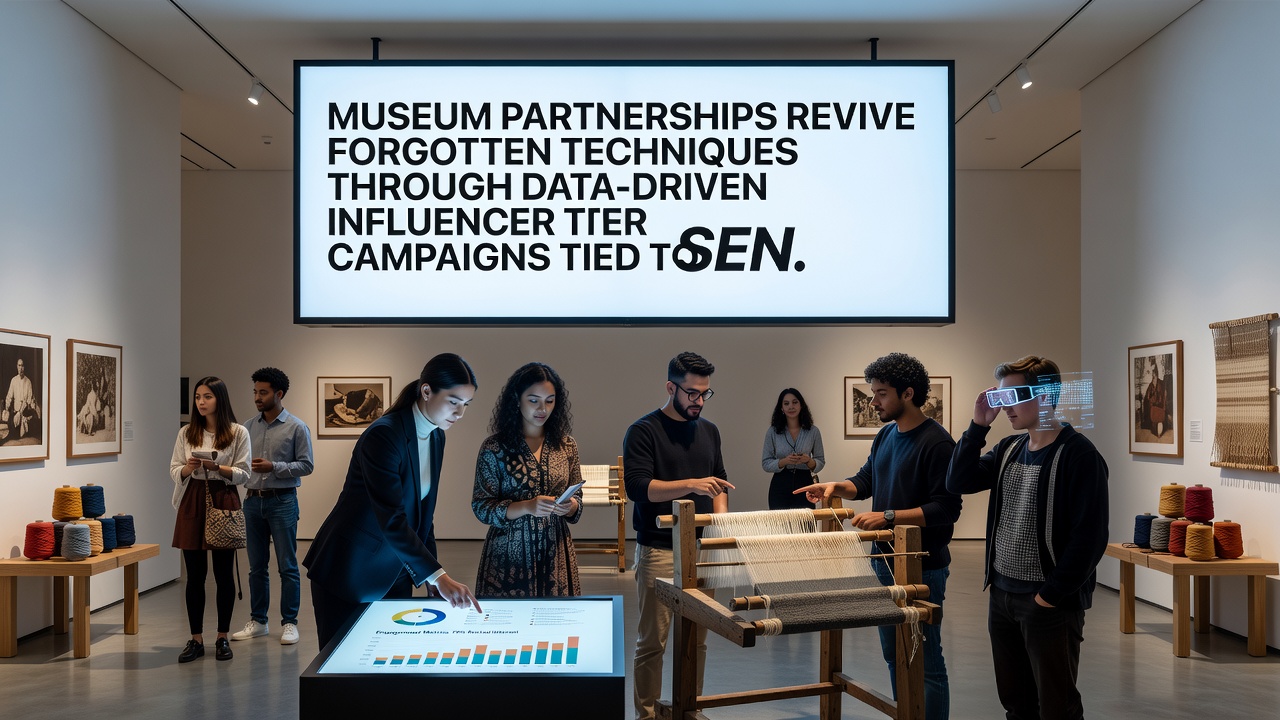
Figures released by the European Commission cultural programs in late 2025 indicated that data-guided selections increased completion rates for online tutorial series by 28 percent compared with earlier non-targeted efforts. Campaign teams then map these completion rates against cognitive assessment tools used in parallel studies, creating feedback loops that refine both technique presentation and influencer briefing materials.
Connections to Senior Cognitive Research Outcomes
Studies conducted through university-affiliated centers have tracked participants who engage with revived techniques over multi-week periods, recording changes in areas such as spatial reasoning and procedural memory. Results presented at conferences in October 2026 highlighted correlations between consistent practice of these methods and slower rates of decline in certain cognitive domains, prompting museums to incorporate progress tracking elements into their public programs.
Researchers emphasize that the data remains correlational rather than causal, yet the alignment allows campaigns to present historical techniques as activities that may support ongoing mental fitness. Partnerships have expanded to include community centers where older adults test adapted versions of the revived processes, and session logs feed back into influencer content calendars to maintain consistency with evidence-based framing.
Geographic Variations and Resource Allocation
Programs in the United States have drawn on datasets from federal health agencies to allocate resources toward techniques requiring moderate physical repetition, while European counterparts have focused on methods that emphasize color sequencing and pattern memory. Australian heritage organizations have reported similar patterns, with analytics guiding the timing of live demonstrations that coincide with periods when target demographics show higher online activity.
Resource tracking documents reveal that combined budgets for these initiatives reached several million dollars across participating regions by mid-2026, with portions directed toward software tools that process real-time engagement data and portions supporting on-site workshops that gather qualitative feedback from participants.
Conclusion
Current evidence indicates that museum partnerships continue to refine their approaches by integrating performance metrics from influencer campaigns with findings from senior cognitive research, and ongoing data collection will determine how these alignments evolve in subsequent project cycles. Institutions maintain records that allow direct comparison of technique revival rates against engagement benchmarks, providing a factual basis for future planning without reliance on unverified assumptions.