Freya Frank · 2 November 2026
Restored Looms Fuel Cross-Continental Wool Exchanges That Blend AR Guides with Senior Wellness Data Collection
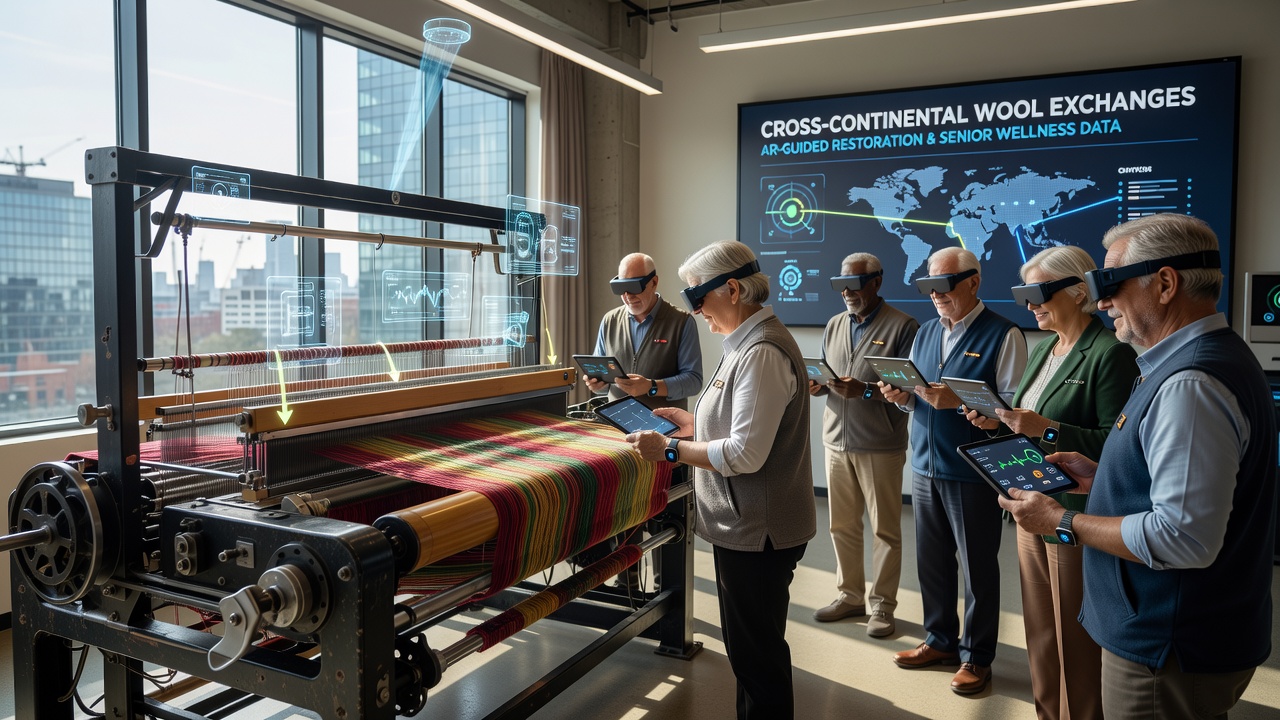
Restored looms from earlier centuries now anchor cross-continental wool exchanges that combine augmented reality pattern systems with structured senior wellness data collection programs. Facilities in North America, Europe, and Australia have reactivated vintage equipment to process fiber shipments that travel between regions according to coordinated trade agreements. Observers note that these exchanges rely on standardized quality metrics collected through sensors embedded in the looms themselves.
Mechanics of Loom Restoration Projects
Technicians rebuild wooden frames and mechanical components using original blueprints archived in museum collections while adding digital interfaces that record production rates and fiber tension data in real time. Research from textile engineering programs shows that restored equipment maintains throughput levels comparable to contemporary machines when operators follow updated calibration protocols. Australian Wool Innovation reports document how these machines handle merino shipments routed from southern hemisphere farms to northern hemisphere processing centers during seasonal cycles.
Augmented Reality Integration in Fiber Processing
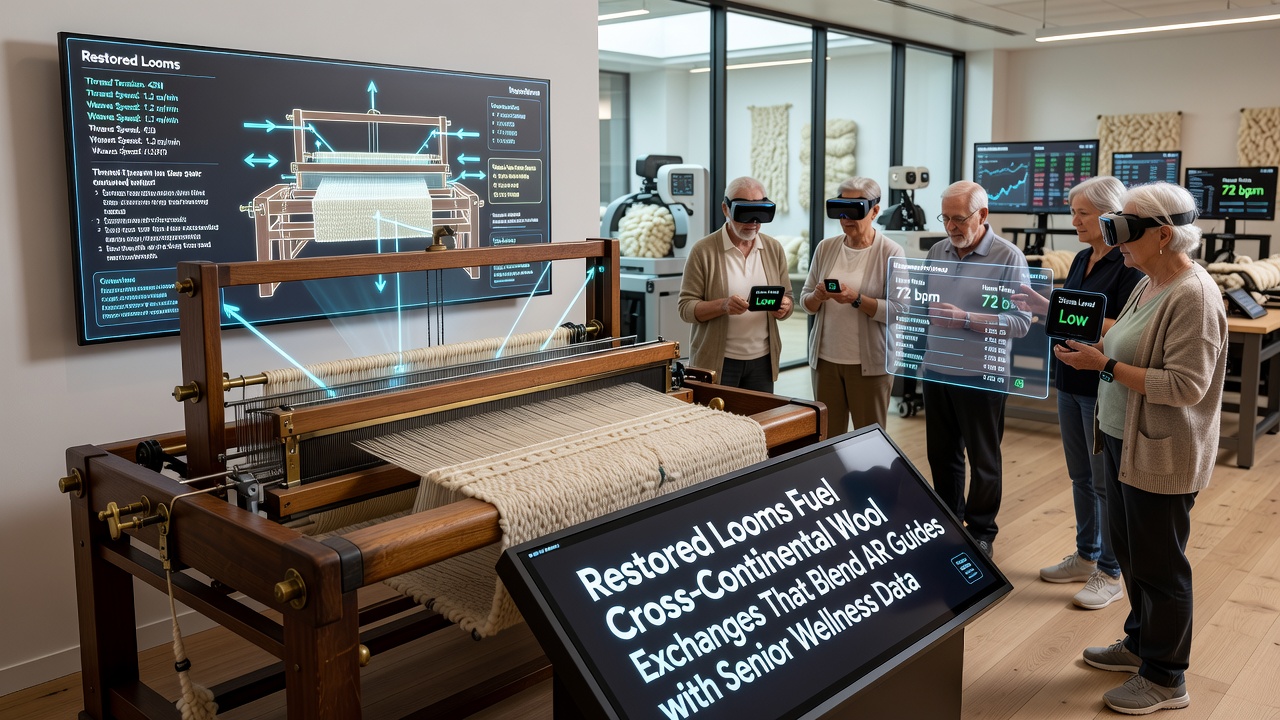
AR overlays project step-by-step instructions onto loom mechanisms so operators can adjust settings without printed manuals. Data streams from these sessions feed into wellness platforms that track participant engagement levels among older adults who participate in supervised craft sessions. Studies conducted by the Canadian Institutes of Health Research indicate correlations between repetitive loom operation tasks and measurable improvements in fine motor skill assessments among adults over age 65. Program coordinators log session duration, error rates, and heart rate variability through wearable devices synchronized with the AR displays.
Cross-Continental Trade Networks
Shipments of raw wool and processed yarn move between partner sites under agreements that specify volume targets and traceability requirements. European Union textile registries list participating cooperatives that exchange data on fiber micron counts and color consistency before each transfer. One documented route sends fleece from New Zealand stations through ports in California to facilities in the United Kingdom, where restored looms convert it into yardage used in wellness program samples. Figures from the International Wool Textile Organisation reveal steady volume increases in these routes between 2024 and 2026.
AR guides embedded in the workflow allow remote specialists to troubleshoot mechanical issues across time zones while simultaneously recording cognitive performance indicators from senior participants who operate the equipment under supervision. The combined dataset supports both production optimization and longitudinal health tracking without requiring separate data entry steps.
Data Collection Protocols and Wellness Outcomes
Wellness platforms aggregate anonymized metrics such as grip strength before and after sessions, task completion times, and self-reported mood scores. University of Melbourne researchers published findings in 2025 that link consistent participation in these AR-assisted loom activities to slower decline rates on standardized memory tests over six-month observation periods. Protocols require informed consent and data encryption standards aligned with regional privacy regulations before any cross-border transfer occurs.
Program administrators coordinate exchange calendars so that wool deliveries coincide with peak participation windows for senior groups. This synchronization reduces idle time on restored equipment and maintains continuous data streams for both trade compliance and health monitoring purposes. Trade documentation includes batch identifiers that match physical fiber lots to digital wellness records generated during processing.
Regional Implementation Examples
Facilities in Vermont have partnered with counterparts in Scotland to exchange Cheviot wool batches processed on 19th-century restored frames equipped with AR headsets. Participants in these sessions contribute data points that feed into joint studies examining hand-eye coordination benefits across different climate zones. Similar arrangements exist between Canadian prairie cooperatives and Japanese textile centers, where data protocols follow both countries' research ethics guidelines.
Conclusion
Restored looms continue to support expanding wool exchange systems that integrate AR assistance with senior wellness data pipelines. Trade volumes tracked by international textile organizations and health metrics compiled through academic partnerships demonstrate ongoing operational scale. These networks maintain separate compliance frameworks for fiber quality and participant data protection while sharing infrastructure across continents.